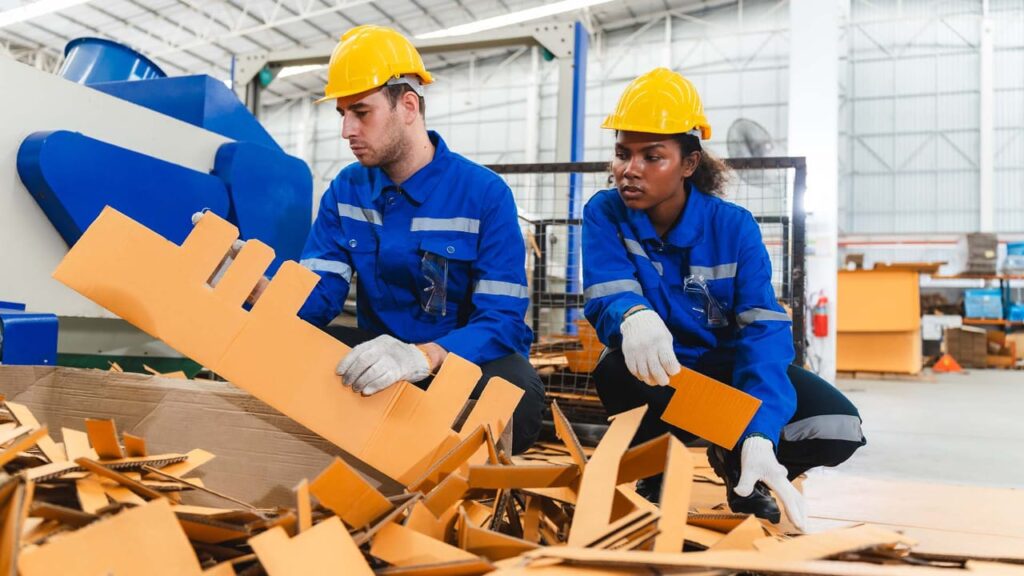
How Businesses Recycle Old Cardboard Boxes to Save the Earth and Reduce Unnecessary Waste
In the global push towards sustainability, businesses are increasingly turning to recycling as a means to reduce their environmental footprint. One of the key areas where this effort is making a significant impact is in the recycling of old cardboard boxes. This article delves into how businesses are leveraging recycling practices to save the Earth and minimize unnecessary waste.
The Importance of Recycling Cardboard Boxes
Cardboard is one of the most widely used packaging materials in the world. It is lightweight, durable, and easily recyclable, making it a preferred choice for businesses across various industries. However, the sheer volume of cardboard boxes used daily contributes significantly to environmental waste if not recycled properly. Recycling old cardboard boxes not only helps in reducing landfill waste but also conserves natural resources and reduces greenhouse gas emissions.
Steps in Recycling Old Cardboard Boxes
Businesses that prioritize sustainability have implemented robust recycling programs for their old cardboard boxes. The process typically involves several key steps:
- Collection: Businesses set up designated collection points within their premises to gather used cardboard boxes. Employees are encouraged to segregate cardboard waste from other materials to streamline the recycling process.
- Sorting: Once collected, the cardboard boxes undergo sorting to remove any contaminants such as tape, labels, or plastic packaging. This step is crucial to ensure the quality of the recycled material.
- Baling: The sorted cardboard boxes are then compacted into bales using specialized baling machines. Baling not only saves space during transportation but also prepares the material for further processing.
- Transportation to Recycling Facilities: Businesses collaborate with local recycling facilities or waste management companies to transport the baled cardboard to recycling centers. Efficient transportation minimizes carbon emissions and contributes to the overall sustainability goals.
- Processing and Recycling: At the recycling facility, the baled cardboard undergoes shredding and pulping processes to convert it into pulp. This pulp is then used to manufacture new cardboard boxes or other paper products, closing the recycling loop.
Benefits of Recycling Old Cardboard Boxes
The adoption of cardboard recycling by businesses brings forth a multitude of benefits:
- Environmental Conservation: Recycling old cardboard boxes conserves trees, reduces water and energy consumption, and minimizes air pollution associated with traditional manufacturing processes.
- Waste Reduction: By recycling, businesses divert significant volumes of cardboard waste from landfills, contributing to a circular economy model where resources are reused and recycled.
- Cost Savings: Recycling old cardboard boxes can lead to cost savings for businesses, as they reduce waste disposal expenses and may even earn revenue from selling recycled materials.
Conclusion
The recycling of old cardboard boxes by businesses plays a crucial role in environmental conservation and waste reduction efforts. Through strategic recycling programs and collaborations with recycling facilities, businesses can contribute significantly to saving the Earth and minimizing unnecessary waste. Embracing sustainable practices like cardboard recycling not only benefits the environment but also fosters a culture of corporate responsibility and innovation.